
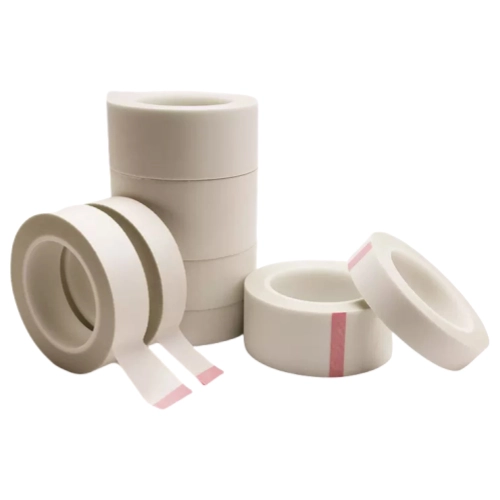


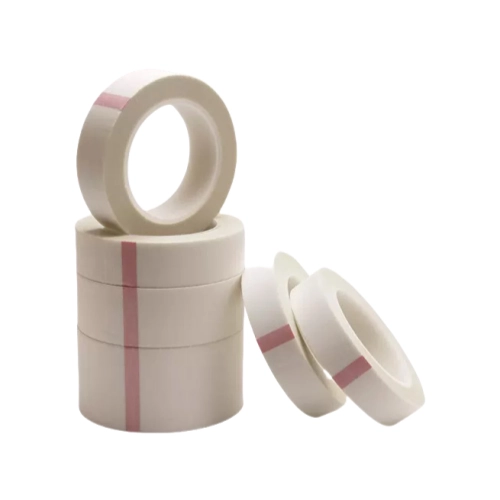
Foshan Opalus Adhesive Products Co., Ltd. supplies glass cloth tape for three different purchasing tasks: electrical insulation, temporary high-temperature process masking, and repeated production wrapping where mechanical strength and roll format matter. The common element is woven fiberglass backing; the working boundary is then determined by adhesive system, thickness, electrical requirement, exposure cycle, removal target, and converting format. Grade selection should begin with the actual process rather than a single maximum-temperature figure.

Start With the Product Family, Not the Highest Number
For motors, transformers, coils, leads, and cable sections where electrical insulation is the primary task, start with Glass Cloth Insulation Tape and verify dielectric, thermal-ageing, adhesive, and system-level requirements on the actual grade.
For temporary process protection, compare the dedicated masking construction by tape-surface temperature, exposure time, substrate, downstream process, and required removal behavior rather than by a single peak-temperature claim.
For repeated production wrapping where low stretch, edge strength, long-roll continuity, and fewer roll changes are central, use High Temperature High Strength Fiberglass Cloth Electrical Tape. For a broader comparison of adhesive systems and construction choices before moving to product-level data, use Glass Cloth Adhesive Tape: Uses, Types, and Benefits.
Benefits That Matter in Production
- Different adhesive systems let heat exposure, ageing, bond life, and removal be evaluated separately.
- Woven fiberglass backing helps control stretch and overlap.
- Comparing the full construction reduces reliance on one temperature or voltage figure.
- Width, core ID, roll OD, and winding format can be matched to the process.
- Representative samples can reveal heat-cycle, edge, unwind, or removal issues before approval.
Which Glass Cloth Tape Construction Fits Your Process?
A glass cloth tape with silicone adhesive is often considered where higher heat exposure or removal after heating matters. Acrylic adhesive offers a different balance of adhesion and ageing stability, while thermosetting rubber is more relevant when heat is intended to develop a stronger long-term bond.
The adhesive family is only part of the decision. Clean metal, coated metal, plastic, and insulation layers can respond differently to the same construction. Oil, resin, solvent, or insulating varnish may also change adhesion or removal. Sample testing should reproduce the surface and heat history.

TDS / Technical Range
| Item | Typical Range / Customizable Value |
|---|---|
| Backing construction | Woven fiberglass cloth, grade-dependent weave and weight |
| Adhesive system | Silicone PSA, acrylic PSA, or thermosetting rubber |
| Color | White typical, other colors project-dependent |
| Total thickness | Varies by construction; final thickness confirmed by selected grade |
| Width | Narrow slit rolls to wider converted rolls |
| Roll length | Standard or extended length, subject to roll OD and equipment limits |
| Core ID | Selected for dispenser, rewinder, or wrapping equipment |
| Supply format | Rolls, log rolls, linered rolls, sheets, or die-cut parts |
| Tensile / elongation | Grade-specific, confirm specimen width and test method |
| Adhesion | Substrate-, dwell-, conditioning-, and test-method-dependent |
| Temperature | Continuous and short-term conditions confirmed by grade |
| Electrical properties | Available on electrical grades; values and methods confirmed by construction |
| Slitting tolerance | Project-defined by width, edge condition, and equipment |
| Unwind performance | Review unwind force, roll build, and winding condition |
| Documentation | Grade-specific TDS, agreed specification, sample approval, and test records |
Thickness affects build-up, flexibility, overlap behavior, and clearance. Tensile strength and elongation also need context because weave, backing weight, specimen width, conditioning, and test method can change the reported result.
ASTM D1000 treats adhesion, breaking strength, elongation, dielectric breakdown, insulation resistance, ageing, oil resistance, dimensions, and unwind as separate properties. One result should not represent the whole construction.
Use the Temperature the Tape Actually Sees
Record the continuous tape-surface temperature, short-term peak, time at peak, and repeated heat cycles. An oven setting is useful process information, but it does not by itself describe the thermal load at the adhesive interface.
The bonded surface matters too. Bare metal, coated metal, plastic, and insulation materials may behave differently after heat exposure. If oil, resin, solvent, coating, or varnish is present, include it in qualification.
For electrical use, thermal class should not be inferred from the glass cloth backing alone. Adhesive construction, ageing requirement, model-level data, and the finished insulation system need to be considered together.
Applications: Where This Tape Family Is Used
- Electrical equipment manufacturing and reinforced insulation assemblies.
- Temporary high-temperature process protection under defined heat and removal conditions.
- Industrial surface treatment where abrasion and heat occur together.
- Continuous wrapping, component fabrication, and converting.
- Automotive, energy, appliance, and equipment assemblies after application-specific validation.

Small Roll Details Can Become Large Production Problems
Because fiberglass cloth tape uses a woven backing, slit-edge quality can matter as much as tensile strength. On narrow rolls, edge fraying, loose fibers, width variation, coating uniformity, roll telescoping, and uneven winding may affect feeding, overlap consistency, cleanliness, or one-piece removal.
A heavier woven construction can improve mechanical protection, but it also increases build-up and may be less conformable around small radii.
For machine-fed use, core ID and maximum roll OD are equipment parameters, not packaging choices. Unwind force, winding tension, roll orientation, liner format, and slit-width tolerance should match the actual equipment.
From Approval Sample to Repeat Production
As a glass cloth tape supplier, Foshan Opalus Adhesive Products Co., Ltd. can align adhesive system, thickness, slit width, roll length, core ID, maximum roll OD, liner, slitting, and die-cut geometry with the approved application.
For a new construction, we normally move from sample evaluation to specification approval, a trial run, and repeat production once critical conditions are confirmed. Ongoing checks can focus on dimensions, coating consistency, peel behavior, tensile or electrical performance, unwind, edge condition, and roll build.
For repeat programs, lot identification and agreed test documentation help compare later batches with the approved reference. Storage temperature, humidity, original wrapping, shelf-life limits, and roll condition also matter when inventory is held for extended periods.
What Specifications Should Be Confirmed Before Requesting Glass Cloth Tape?
Start with working conditions, then move to roll dimensions. Provide the application, bonding surface, continuous tape-surface temperature, peak temperature and duration, chemical or varnish contact, and whether the tape must remain bonded or be removed after processing.
Then add total thickness, slit width, roll length, core ID, maximum roll OD, and whether application is manual or machine-fed. For electrical grades, include the required property, test method, ageing condition, and certification where relevant. Existing roll samples or machine limits can help prevent compatibility problems.
FAQ
Which adhesive system should we specify?
Compare silicone, acrylic, and thermosetting rubber against the heat profile, substrate, bond life, chemical exposure, and removal requirement.
What temperature information is needed for grade selection?
Provide continuous tape-surface temperature, short-term peak temperature, time at peak, and thermal cycling conditions. An oven setpoint alone is not enough.
Which roll specifications matter for processing equipment?
Check slit width and tolerance, core ID, maximum roll OD, roll length, winding condition, liner format, and unwind direction where applicable.
What should be approved before repeat production?
Agree the grade-specific TDS, critical dimensions and tolerances, applicable test records, representative approval sample, batch checks, and lot identification where traceability is required.