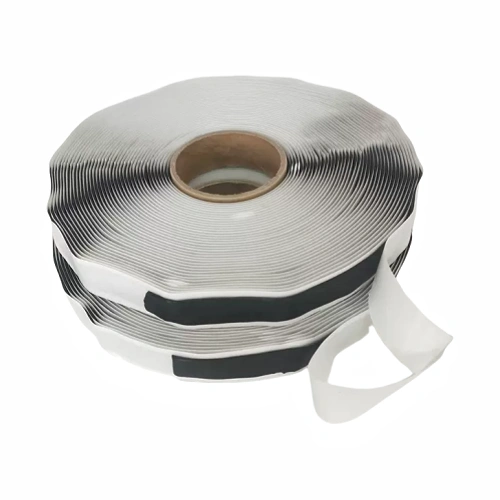
A common question in repairs is if butyl rubber sealing tape can stick to wet surfaces. This versatile adhesive is strong and weather-resistant. But, to get the best results, you must know its limits and the best uses.
Understanding High Adhesion Butyl Tape

Butyl rubber sealing tape is a synthetic adhesive known for its durability, flexibility, and waterproof properties. Flexible butyl sealant tape is used in many areas. These include roofing, auto repairs, and marine work. Wet-surface installation is only one part of determining whether a sealing material is suitable. Before evaluating wet-surface installation, review where butyl tape works across industrial joints to confirm that the selected construction suits the assembly in the first place. Then assess moisture, cleaning and surface preparation against the selected grade’s instructions.
It creates an airtight, watertight seal. Unlike traditional rubber adhesives, butyl tape maintains its stickiness at lower temperatures and is less sensitive to temperature fluctuations.
Surface Preparation: The Key to Success
For any adhesive to work effectively, proper surface preparation is essential. Generally, butyl rubber sealing tape adheres best to clean, dry surfaces. Dirt, moisture, and debris can prevent the adhesive from bonding securely. When a surface is wet, the adhesive may not penetrate and bond as effectively, leading to a weaker seal. For controlled peel, shear and temperature data, see the butyl tape technical data sheet after reviewing surface-moisture limitations.
Challenges with Wet Surfaces

Applying best butyl sealant tape on wet surfaces presents several challenges:
Reduced Adhesion: Moisture can act as a barrier between the adhesive and the exterior, preventing the tape from sticking properly.
Potential for Trapping Moisture: Taping a wet surface can trap moisture. This may cause corrosion, mold, or weaken the bond over time.
Compromised Seal: Water can dilute the adhesive, weakening the seal. It may fail under stress or exposure to the elements.
Practical Tips for Wet Conditions

It is best to apply durable butyl tape on dry surfaces. But, in some cases, you must apply it right away, and the surface can’t be fully dried. Here are some practical tips for such situations:
Dry as Much as Possible
Use a cloth or paper towel to remove excess water from the surface. Even partially drying the area can improve adhesion.
Warm the Tape
Slightly warming the butyl tape can make it more pliable. It will bond better to a less-than-ideal surface.
Layering
Apply the tape in multiple layers to enhance the seal. Press down firmly to ensure each layer adheres well.
Alternative Solutions
For projects requiring application on consistently wet surfaces, consider using adhesives specifically designed for such conditions. Some products are formulated to perform better in wet environments, providing a reliable seal even when moisture is present.
The Science Behind Adhesion on Wet Surfaces
Hydrophobic Properties
Butyl rubber sealing tape exhibits hydrophobic properties, meaning it repels water. This trait can help in applying the tape on wet surfaces. It pushes away water molecules.
This allows the tape to bond better with the underlying material. However, this property’s efficiency varies with moisture and the environment.
Adhesive Chemistry
The glue in butyl rubber tape is designed to bond at a molecular level. On a wet surface, water molecules can interfere with bonding.
They create a layer that stops the adhesive from fully bonding with the surface. New adhesive chemistry is improving tapes like butyl rubber sealing tape. But, water remains a big challenge.
Innovative Applications in Marine Environments
In marine environments, butyl rubber tape application is seal hatches, portlights, and deck fittings. These applications often involve wet conditions. So, butyl tape is vital for keeping boats and other marine structures intact. The waterproof butyl tape’s ability to provide a waterproof seal even under challenging conditions underscores its versatility and reliability.
Conclusion
In summary, butyl rubber sealing tape is versatile and effective. But, it is not ideal for wet conditions. A dry surface will improve the tape’s adhesion and the repair’s durability.
If dry conditions can’t be achieved, try to maximize adhesion. But, alternative adhesives may be more reliable.