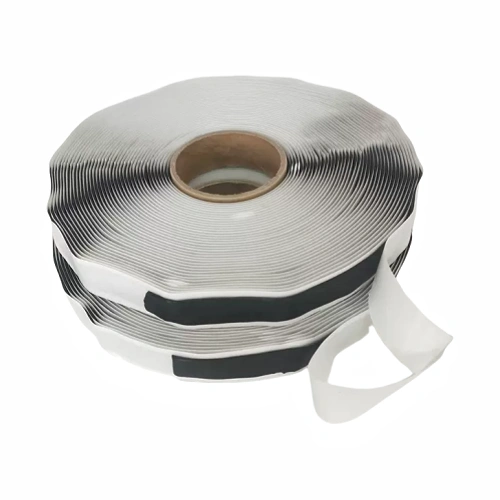
Installing butyl rubber sealant tape on a metal roof begins with identifying the joint that needs sealing. A non-curing butyl mastic strip placed inside a mechanically fastened roof-panel lap works differently from a foil-faced tape used over an exposed repair area. The correct method depends on the panel geometry, substrate condition, seal position, and roofing-system requirements.
This guide focuses on preparing metal roof surfaces, selecting a compatible tape construction, installing concealed lap seals, and recognizing common sealing failures. For applications beyond metal roofing, consult the industrial butyl tape selection guide.
Understanding the Role of Butyl Tape in Metal Roofing Systems
In approved metal roof assemblies, preformed non-curing butyl tape can be positioned between overlapping panels, beneath selected trims, or within specified concealed joints. The sealant conforms to local surface irregularities as the joint is assembled and mechanically secured. Its role is to support a continuous sealing interface, not to provide structural fastening or replace the roof system’s mechanical connections.

Exposed repairs require a different assessment. A foil-faced tape may be used where the selected product and roofing-system instructions permit it, but the installer must verify substrate compatibility, outdoor exposure requirements, drainage, and edge termination. A concealed butyl mastic strip should not automatically be substituted for an exposed flashing or repair product.
Detailed Surface Preparation

Proper surface preparation is the cornerstone of effectively applying butyl sealant tape. The tape lasts and works well only if the metal roof is prepared well before applying it.
Thorough Cleaning
Inspect the intended bonding area before installation. Remove loose debris, drilling swarf, oil, standing moisture, unstable coatings, and old sealant that could interrupt adhesive contact. Use cleaning methods compatible with the panel coating and the tape manufacturer’s instructions. If rust, coating damage, or corrosion is present, assess the underlying metal condition before attempting to seal the joint. Adhesive tape is not a substitute for repairing deteriorated roof panels.
Drying and Priming
Allow the substrate to become fully dry and confirm that its surface temperature is within the selected tape grade’s approved application range. Do not assume that heating a roof panel with a heat gun is an acceptable general installation method; local overheating may damage coatings or alter material behavior.
Use a primer only when required or approved for the specific tape and substrate combination. Primer selection should be based on substrate compatibility and documented installation instructions, rather than assuming that every metal roof requires priming.
Adapting to Environmental Conditions

The performance of butyl sealant tape can vary significantly with different environmental conditions:
Temperature Variations: Check the manufacturer’s minimum and maximum application temperatures for the selected tape grade. Application temperature and long-term service temperature are different specifications. A material that tolerates low temperatures after installation may still require warmer conditions to achieve adequate initial contact.
Humidity and Moisture: High humidity can increase the risk of condensation on metal panels. For non-curing butyl mastic, moisture is primarily an adhesion and interface-contact concern, not a curing-time issue. Verify that the installation surface is dry and free from condensation before applying the tape.
Choosing the Best Butyl Sealant Tape for Waterproofing
Selecting the right butyl sealant tape is crucial for ensuring the best waterproofing results:
Adhesive Quality
Select the tape according to the roof joint and the intended exposure conditions. For concealed laps, consider material conformability, coating compatibility, available contact area, and the required joint compression. For exposed repairs, confirm the backing construction, perimeter adhesion, weathering requirements, and approved substrate. A high initial tack value alone does not establish long-term sealing performance.
Thickness and Width
Select tape dimensions according to the roof panel profile, joint gap, lap width, and intended compression area. A wider or thicker strip does not automatically produce a better seal. Excess material may squeeze outside the joint or interfere with panel seating, while insufficient material may leave discontinuities. Follow the roofing-system detail and verify the selected dimensions on an assembled trial joint.
Durability
Assess durability according to whether the seal is concealed or exposed. Concealed butyl mastic is protected by the assembled roof components, whereas exposed foil-faced repairs require verified resistance to the intended weathering conditions and reliable perimeter adhesion. Confirm temperature limits, substrate compatibility, and service requirements using documentation for the selected product grade.
Key Considerations for Using Butyl Tape with Metal Roofs
Longevity of Metal Roofs
A metal roofing system’s durability depends on its panel design, protective coating, fastening arrangement, drainage, and maintenance. Butyl sealing materials can support joint water resistance when correctly specified and installed, but they cannot compensate for deteriorated panels, unsuitable fastener details, or inadequate drainage.
Environmental Impact
Wind-driven rain, temperature changes, and movement between metal roofing components can affect the sealing interface. Evaluate the complete joint design, including the seal location, compression, panel movement, and exposure conditions. Use the selected product’s verified performance limits rather than assuming that all butyl tapes tolerate the same environment.
Maintenance and Repairs
When a roof leak is reported, identify whether water is entering through a panel lap, fastener, penetration, damaged coating, or failed flashing detail before selecting a repair method. Reapplying tape over an unidentified leakage path may conceal the problem without restoring the original sealing arrangement.
Common Challenges with Metal Roofs That Butyl Tape Addresses
- Thermal Movement: Metal panels move as temperatures change. The seal arrangement must account for the roofing system’s designed movement without losing continuous contact. Butyl flexibility alone does not guarantee a leak-free moving joint.
- Interrupted Sealing Lines: Fastener positions, panel ribs, corners, and changes in overlap geometry can interrupt a sealing path. Follow the approved placement detail and inspect the completed assembly for gaps or displaced material.
- 3. Irregular Joint Geometry: Profile changes and uneven mating surfaces may require a carefully selected mastic cross-section. Confirm that the strip remains within the intended sealing area after the joint is mechanically secured.
Application Techniques for Maximum Efficiency

Sequential Application

For concealed metal roof laps, identify the specified sealing line before joining the panels. Apply the butyl strip continuously to the prepared contact area, observing the roof-system drawing for placement relative to ribs, fasteners, and overlap edges. Remove the release liner as directed, position the mating panel, and complete fastening according to the approved installation procedure. Do not apply a universal one-inch tape-overlap rule to every concealed lap joint; tape splices and overlap details must follow the selected product and roofing-system requirements.
Firm Adhesion
Press the tape into initial contact with the prepared substrate without stretching or twisting the strip. For concealed compression seals, final contact depends on correct panel positioning and the specified joint assembly. For compatible exposed foil-faced repairs, apply firm, even rolling pressure across the patch and its edges according to the product instructions. Inspect for trapped air, wrinkles, bridging, and incomplete edge contact.
Regular Maintenance and Checks
Inspect accessible sealing details after installation and following significant weather events when safe access is available. Look for displaced flashing, lifted patch edges, damaged coatings, standing water, or evidence of joint movement. Concealed butyl strips generally cannot be evaluated by surface appearance alone; assess leakage evidence and the condition of the complete roof assembly.
Special Areas of Attention
Ridge Caps and Flashings: Follow the specified ridge and flashing construction, including closures, seal location, overlap arrangement, and mechanical fastening. Confirm that the sealing material is compatible with the selected detail rather than adding exposed tape indiscriminately.
Vents and Skylights: Penetrations require suitable flashing assemblies, drainage paths, compatible sealants, and approved fastening details. Butyl tape may form part of the system where specified, but it should not be relied upon as the sole waterproofing method without assembly-level verification.
Maintenance and Inspection
Establish periodic roof inspections according to the building’s maintenance requirements and the roofing-system manufacturer’s guidance. Record leakage locations, exposed patch conditions, sealant displacement, coating damage, and fastening defects. Repair decisions should address the underlying joint or component failure rather than simply adding further tape layers.
Frequently Asked Questions About Butyl Rubber Sealant Tape and Metal Roofs
Does butyl tape work on all types of metal roofs?
No single butyl tape is suitable for every metal roof construction. Compatibility depends on the panel coating, joint profile, expected movement, installation temperature, and whether the material remains concealed or exposed. Confirm the selected grade and roofing-system requirements before use.
How does butyl tape handle temperature fluctuations?
Non-curing butyl formulations can remain flexible over a range of service conditions, but actual performance limits depend on the product grade. Verify application and service temperatures separately and assess the complete roof joint rather than relying on the tape’s temperature rating alone.
Is butyl tape necessary for a durable metal roof installation?
It is required only where specified by the roof-system design or approved installation instructions. Certain side laps, end laps, trims, and penetrations use butyl sealing materials, while other systems rely on different gaskets or sealing methods. The correct material and placement should follow the approved construction detail.
Conclusion
Successful butyl tape installation depends on matching the sealant construction to the roof joint, preparing the substrate correctly, and maintaining continuous contact after assembly. For concealed roof-panel laps, correct seal placement and mechanical compression are essential. For exposed repairs, backing compatibility, drainage, weathering requirements, and edge adhesion need separate verification.
Before approving a method for repeated installation, check the relevant roofing-system requirements and assess representative joints under the intended service conditions.
Related Tape
Best Practices for Sealing Metal Roof Seams